
1.5K
Downloads
17
Episodes
Useable information for listeners to better understand and implement practices that improve water quality and quantity. Hosts John McMaine, Assistant Professor and SDSU Extension Water Management Engineer, and Anthony Bly, SDSU Extension Soils Field Specialist, aim to bring listeners insight and discussion on all things water. Visit https://extension.sdstate.edu/tags/streamlines-podcast for episode transcripts and additional information.
Episodes
Sep 1, 2021
Sep 1, 2021
12 min
Aug 20, 2021
Aug 20, 2021
25 min
How is controlled drainage a beneficial conservation practice in maintaining the water in your fields?
John McMaine and Anthony Bly introduce Controlled Drainage and discuss the following:
- Nitrate load reduction performance
- How controlled drainage reduces load even if it doesn’t reduce concentration
- Type of fields that control drainage works best on
- Potential for automated controlled drainage
- Ideal land conditions for controlled drainage to act as a cost effective tool
Joining us for this week’s episode is Dr. Matt Helmers, director of the Iowa Nutrient Research Center at Iowa State University and Dr. Jeffrey Strock, a professor at the Southwest Research and Outreach Center.
Visit the Streamlines page for more episodes, resources and transcripts.
Aug 12, 2021
Aug 12, 2021
16 min
What are the challenges of a saturated buffer and can they work in other states?
John McMaine and Anthony Bly continue their discussion on saturated buffers by addressing the following:
- What factors can affect the performance,
- how do they compare to other conservation drainage practices,
- partnerships and other states that utilize this practice,
- and overall challenges and benefits of saturated buffers.
Joining us again for this week’s episode is Dr. Jeppe Kjaersgaard with the Minnesota Department of Agriculture.
Visit the Streamlines page for more episodes, resources and transcripts.
Aug 4, 2021
Aug 4, 2021
14 min
What is a saturated buffer and how can they be beneficial to farmers?
John McMaine and Anthony Bly discuss saturated buffers this week, including:
- what they are,
- how effective can they treat the water,
- the various advantages of installing a saturated buffer and
- criteria that needs to be met to be able to install a saturated buffer.
This week’s guest speaker is Jeppe Kjaersgaard with the Minnesota Department of Agriculture.
Visit the Streamlines page for more episodes, resources and transcripts.
Jul 28, 2021
Jul 28, 2021
31 min
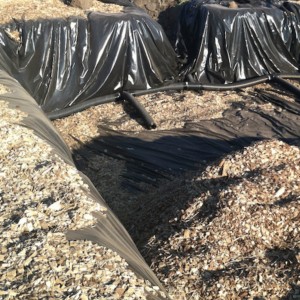
Why are bioreactors unpopular and what can we do to incentivize farmers to put them in?
John McMaine and Anthony Bly discuss bioreactors:
- what they are,
- who can benefit from them,
- why they are important and
- what can be done to increase implementation of this practice.
This week’s guest speakers are Laura Christensen with the Department of Crop Sciences at the University of Illinois, Keegan Kult with the Ag Drainage Management Coalition, and Gary Feyereisen with the United States Department Agriculture Agricultural Research Services.
Visit the Streamlines page for more episodes, resources and transcripts.
Jul 21, 2021
Jul 21, 2021
28 min
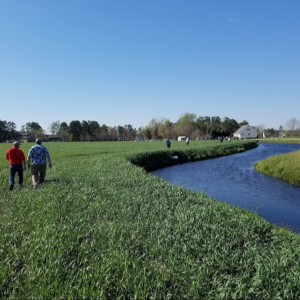
What can we do to prepare for the future of conservation drainage?
In this week’s episode, John McMaine and Anthony Bly continue the conversation with Dr. Chris Hay, a research scientist with the Iowa Soybean Association, and Dr. Jeppe Kjaersgaard, a research scientist with the Minnesota Department of Agriculture.
Visit the Streamlines page for more episodes, resources and transcripts.
Jul 13, 2021
Jul 13, 2021
20 min
How can farmers benefit from conservation drainage? Conservation drainage includes practices such as bioreactors, saturated buffers, wetlands and more.
In this week’s episode, John McMaine and Anthony Bly introduce and discuss conservation drainage with the help of Dr. Chris Hay, a research scientist with the Iowa Soybean Association, and Dr. Jeppe Kjaersgaard, a research scientist with the Minnesota Department of Agriculture.
Visit the Streamlines page for more episodes, resources and transcripts.